Nicotinamide Mononucleotide

What it is

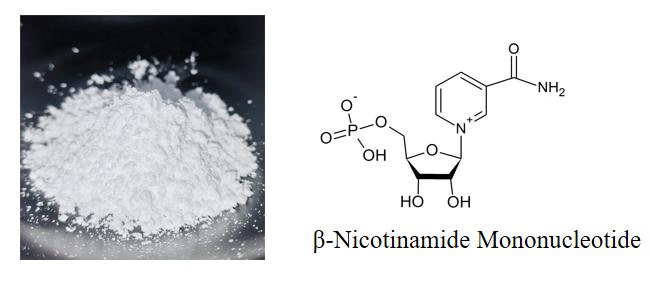
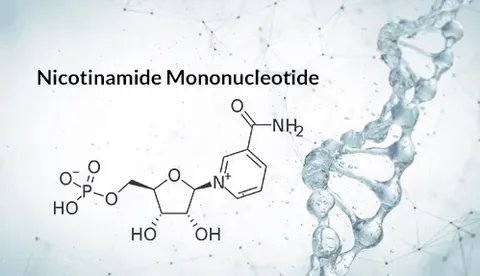
NMN (β-Nicotinamide Mononucleotide) is a molecule naturally produced in the body and found in small amounts in foods like broccoli and edamame. It’s a direct precursor to NAD⁺, a coenzyme essential for energy production, DNA repair, and healthy cell function. NAD⁺ levels decline with age, so NMN is used to help restore those levels and support cellular vitality

Key benefits

  • Cellular energy: Increases NAD⁺, supporting mitochondrial energy production.
  • Healthy ageing: Helps maintain DNA repair and sirtuin activity — processes linked to longevity.
  • Cognitive support: May enhance focus, clarity, and mental performance through improved cellular metabolism.
  • Metabolic health: Supports glucose balance, lipid metabolism, and insulin sensitivity.
  • Exercise recovery: Promotes better endurance and muscle recovery via improved mitochondrial function.

How it works (in simple terms)

NMN → converts into NAD⁺ inside cells → fuels mitochondria → helps energy, repair, and resilience.
How to take

  • Typical dose: 250–1000 mg daily, often split (e.g., 500 mg AM + 500 mg PM).
  • Timing: Best in the morning or before physical/mental activity.
  • Form: Capsules or powder; sublingual NMN (under the tongue) may increase absorption slightly.
  • With food? Can be taken with or without food — but some prefer it on an empty stomach for better uptake.

Best combinations / stacks

  • With TMG (Trimethylglycine): Supports methylation balance when NAD⁺ production rises.
  • With CoQ10 (Ubiquinol): Enhances mitochondrial performance.
  • Optional & experimental: Some combine NMN with polyphenols like resveratrol. Human results are mixed, bioavailability is low, and pterostilbene has been shown to raise LDL in an RCT. Consider focusing on proven pairings first (TMG, CoQ10/ubiquinol, B-vitamins, magnesium, GlyNAC).
  • With Magnesium & B-vitamins: Improves cellular energy pathways.
  • With GlyNAC (Glycine + NAC): Helps reduce oxidative stress and supports glutathione synthesis.

Quality & sourcing tips

Who should be cautious

NMN vs NR (Nicotinamide Riboside)

Both NMN and NR raise NAD⁺ levels, but NR is less stable and can degrade into nicotinamide (which may blunt some benefits). NMN is one metabolic step closer to NAD⁺ and generally more stable in storage. While NR is safe and effective in many studies, real-world results often depend on formulation quality and proper storage.

Frequently Asked Questions

Current research suggests NMN is well tolerated up to 1000 mg/day. Human studies continue, but no major side effects have been reported at typical doses.

Energy and focus may improve within 1–2 weeks; deeper metabolic benefits often take a few months.

Most users and researchers prefer NMN for its stability and direct conversion pathway, though NR remains a valid NAD⁺ precursor when well-formulated and properly stored.

For educational purposes only. This content is not medical advice. Always consult a healthcare professional before starting new supplements.