KPV

What it is

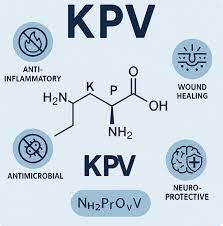
KPV is a short anti-inflammatory tripeptide derived from the hormone α-MSH (alpha-melanocyte-stimulating hormone).

It consists of three amino acids — Lysine–Proline–Valine — and is known for its ability to suppress inflammation, calm immune overactivity, and support gut and skin healing.

Because of its simplicity and stability, KPV has become one of the most widely studied peptides for intestinal health, autoimmune conditions, and inflammatory skin issues.
Key benefits

  • Powerful anti-inflammatory: Naturally reduces inflammatory cytokines (TNF-α, IL-6, IL-1β).
  • Gut repair: Helps restore epithelial barrier integrity; studied in ulcerative colitis and IBS models.
  • Skin support: May reduce redness and irritation in eczema or dermatitis.
  • Immune balance: Acts through melanocortin receptors to calm overactive immune responses.
  • Synergy with BPC-157: Strong complementary effect for gut-lining repair and anti-inflammatory balance.

How it works (in simple terms)

KPV interacts with melanocortin receptors (MC1R) found throughout the body — especially in the gut, skin, and immune cells.

When activated, these receptors reduce inflammation and oxidative stress, helping tissues repair naturally without suppressing the immune system.

Unlike some anti-inflammatory compounds, KPV works downstream, meaning it calms inflammation without blocking healing signals.

Forms & when to use them

  • Oral or capsule form: For gut-focused research (anti-inflammatory and epithelial repair).
  • Topical creams or sprays: For skin inflammation or wound care.
  • Subcutaneous injection: For systemic anti-inflammatory support.


Research dosing overview

  • 100–500 mcg daily (microdose to moderate range) for systemic research.
  • Oral forms used in studies typically range from 200–1000 mcg daily, divided doses.
  • Often combined with BPC-157 for full gut and mucosal protection.

For research and educational purposes only — KPV is not an approved therapeutic product.

Smart peptide combinations

Research summary

Responsible use