Epitalon

What it is

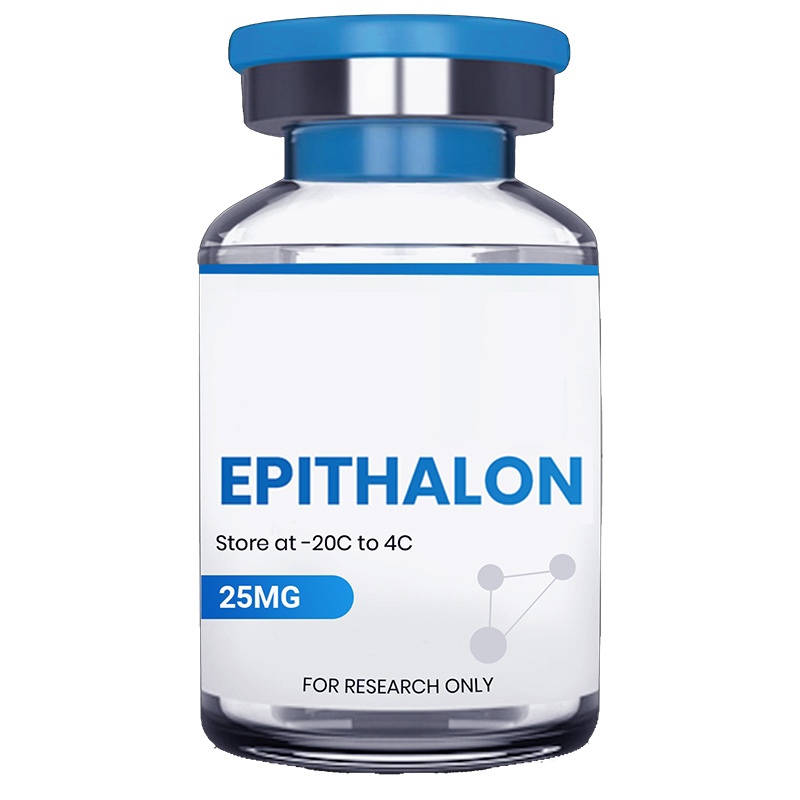
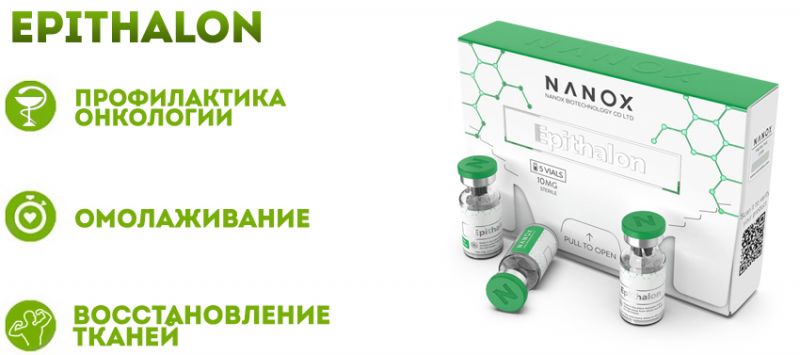
Epitalon (also known as Epithalon) is a synthetic peptide analogue of the naturally derived bioregulator Epithalamin, originally researched by Dr. Vladimir Khavinson.

Although both share similar amino-acid sequences, they act on different pathways:

  • Epithalamin (natural extract) influences pineal and endocrine activity directly.
  • Epitalon (synthetic version) primarily targets telomerase activation and cellular signalling related to circadian rhythm and repair.


Because of this, the two compounds often get confused — but their dosage ranges, purity, and mechanisms are not identical.
Key benefits

  • Circadian rhythm support: May help restore natural sleep–wake cycles and melatonin balance.
  • Cellular longevity: Studied for its potential to support telomere maintenance and DNA protection.
  • Healthy ageing: Research points to improved oxidative balance and cellular repair mechanisms.
  • Immune regulation: Some studies suggest better immune resilience and recovery with age.
  • Synergy with thymic peptides: Often combined for full-system support and recovery.

How it works (in simple terms)

Epitalon acts on pineal and hypothalamic signalling, helping synchronise hormone release and repair processes.

It’s thought to activate telomerase, an enzyme that maintains telomere length — one of the hallmarks of cellular ageing.

By supporting circadian rhythm and telomere function, it may help optimise recovery and biological balance over time.

Forms & when to use them

  • Subcutaneous injection: Most commonly referenced in research protocols.
  • Oral or intranasal forms: Sometimes explored, but less consistent in absorption.

Important clarification

There is frequent confusion between Epithalamin (bioregulator) and Epitalon (synthetic peptide analogue):

  • Epithalamin (used by Dr. Khavinson) was typically given at 10 mg per day for 10–20 days.
  • Epitalon (as used by Dr. Seeds and in Western research) has a much lower active range, generally around 100–1000 mcg per day, depending on purpose and duration.

Both compounds share similarities, but they are not interchangeable.

Most users today work within the 100–1000 mcg/day range, often adjusting based on goals and response.

Smart peptide combinations

Research summary

Responsible use